Escrow in Dubai: The Off-Plan Safety Check
Escrow is one of Dubai’s most important protections for off-plan buyers. It helps structure trust — but it does not remove the need to verify the project, developer and payment terms.
Escrow is one of Dubai’s core trust mechanisms
Off-plan property is a major part of Dubai’s real estate market. It can give investors access to new communities, staged payment plans and future supply. It also requires discipline. The buyer is paying for something that is not yet fully delivered.
This is where escrow matters. Dubai’s framework around real-estate development escrow accounts was designed to structure how funds linked to development projects are handled. For investors, the principle is simple: money should move through a controlled project account, not through informal arrangements.
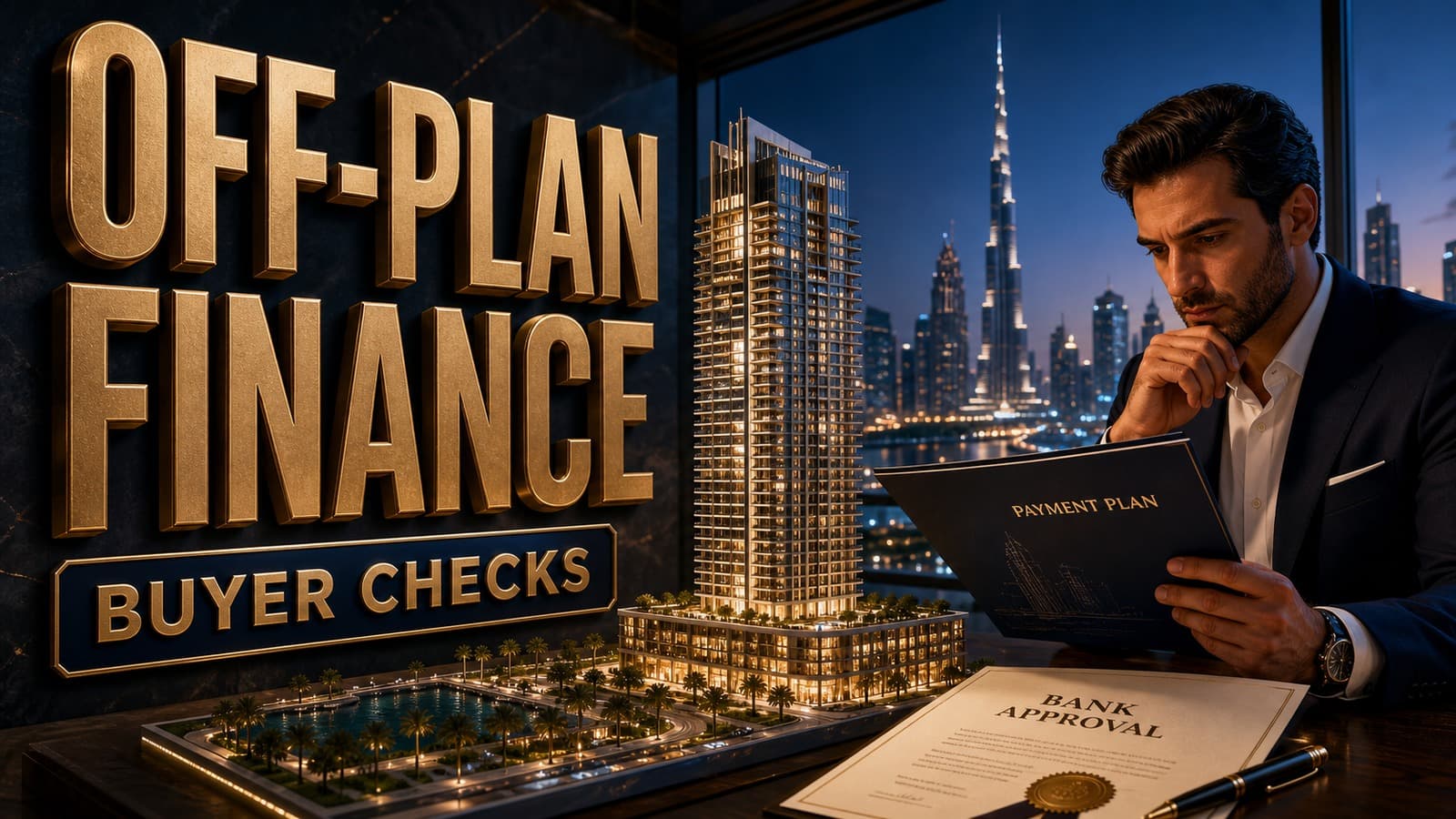
Escrow is not a magic shield. It is a protection layer. A serious buyer still needs to verify the developer, project registration, payment schedule, contract terms, construction progress and exit strategy.

What escrow does — and what it does not do
Escrow helps create financial discipline around a project. It supports transparency and reduces the risk of funds being treated casually. That is a major reason Dubai can attract international off-plan buyers with more confidence than many less-regulated markets.
But escrow does not guarantee that every project will be the right investment. It does not guarantee resale liquidity, rental demand, perfect delivery timing, ideal service charges or a strong purchase price. It answers one question: is there a regulated structure for project funds? The investor must answer the rest.
The checks before paying
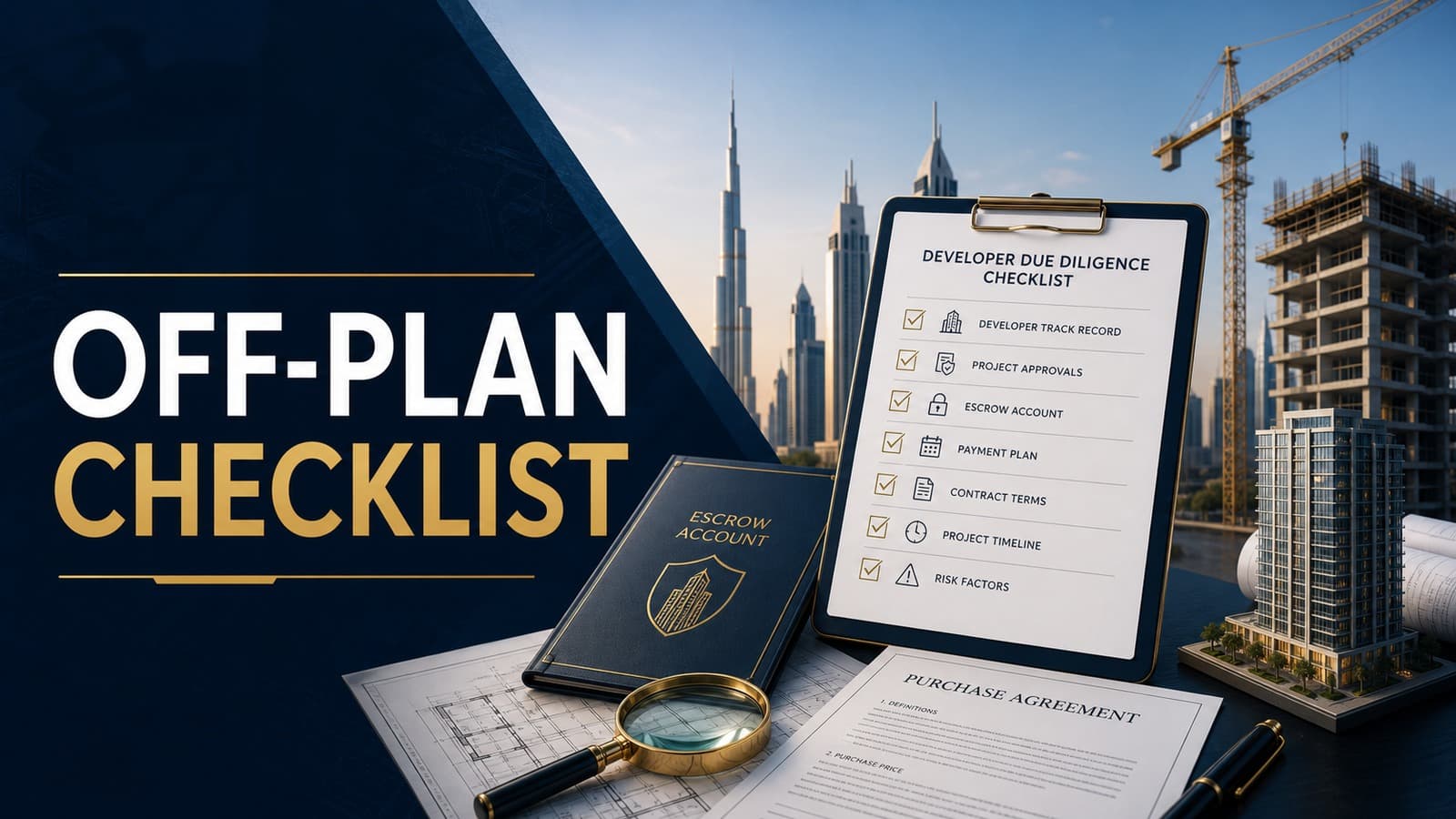
- Project registration: confirm that the development and developer are properly recognised through official channels.
- Escrow account details: payment instructions should correspond to the project structure, not to vague or personal accounts.
- Payment plan: compare payment milestones with construction progress and buyer obligations.
- SPA terms: read cancellation clauses, delay provisions, handover conditions and dispute mechanisms.
- Developer track record: study delivered projects, quality, after-sales management and communication history.
Why investors still make mistakes
The common mistake is emotional compression: a buyer sees a launch, a price, a view, a payment plan and a deadline, then treats escrow as enough proof. It is not. Escrow should slow the buyer down, not accelerate him.
Another mistake is confusing payment-plan comfort with investment quality. A staged payment plan can feel easy because cash outflow is spread over time. But the final asset still has to be worth owning: right unit, right floor, right layout, right community, right demand and right entry price.
The Kyora method for off-plan safety
At Kyora, we read off-plan investments through three layers. First, the legal and administrative layer: project registration, escrow, documents and contract. Second, the asset layer: developer, location, layout, specification, service charges and handover risk. Third, the market layer: rental demand, resale depth, competing supply and buyer profile.
Only when the three layers are coherent does the opportunity deserve deeper study. A strong administrative framework is necessary; it is not sufficient.
Verdict Kyora
Dubai’s escrow framework is one of the reasons the off-plan market can operate at international scale. It gives investors a more structured environment and supports market confidence.
The right investor uses that framework intelligently. He verifies the account, the project and the documents, then asks the harder investment questions. Escrow can protect the process; selection protects the capital.
Sources and useful references
- Dubai Legislation Portal — Law No. (8) of 2007 concerning escrow accounts for real estate development
- Dubai Land Department — official portal
- Inline image: Kyora editorial illustration; official legal and DLD sources are listed above.
Regulations, project data, payment instructions and commercial conditions can change. Investors should recheck official sources and transaction documents before committing capital. This article is editorial analysis, not personalised financial advice.