Dubai South Startup Signal: Investor Checks
Dubai South Business Hub’s partnership with Sony is not a direct property forecast. It is a useful signal about the district’s business ecosystem, founder demand and long-term investor due diligence.
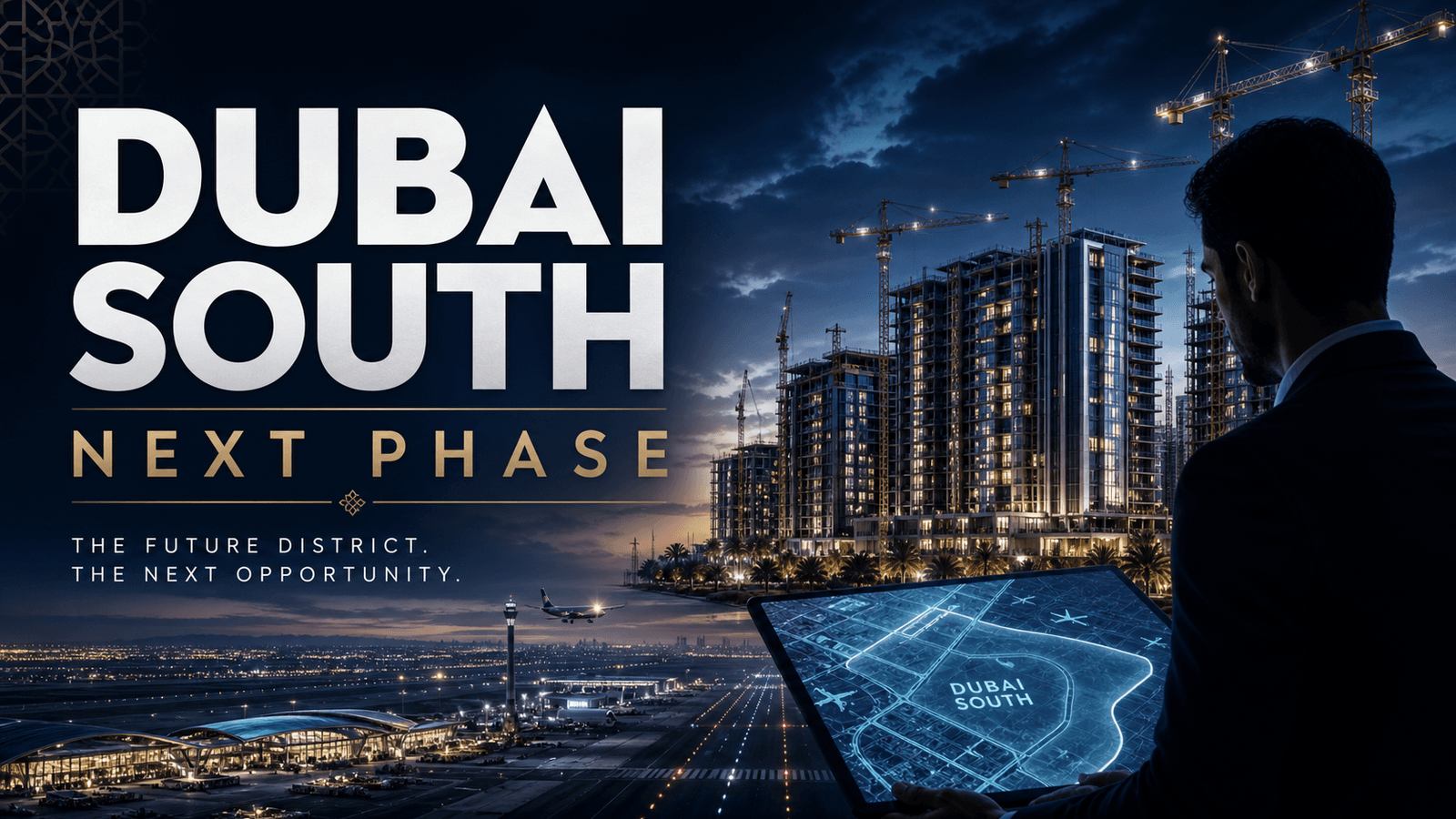
Dubai South is asking investors to read more than airport distance. The fresh signal this week is not a tower launch or a sales ranking. Dubai South Business Hub Free Zone announced a strategic partnership with Sony Middle East and Africa, bringing technology benefits, workshops and masterclasses to entrepreneurs, startups, SMEs and growing businesses operating in the free zone.
For a property investor, this type of announcement should not be inflated into a price prediction. A corporate partnership does not, by itself, make apartments more valuable. But it does help explain how Dubai South is trying to become a working business ecosystem rather than a distant real estate promise. That distinction matters. Districts become stronger when people have reasons to work, create, meet clients, hire teams and remain in the area beyond the initial purchase story.
The Dubai Government Media Office release describes the partnership as part of Dubai South Business Hub’s broader founder support proposition: business licensing, visa services, banking partnerships, post-license support, and now practical training around content creation, digital marketing, brand building and business growth. For Kyora, the useful investor reading is simple: the district is being positioned around economic activity, not only residential supply.
Why this is different from another Dubai South airport story
Kyora has already covered Dubai South through the airport premium and the long-term real estate phase around Al Maktoum International Airport. Those articles remain important context. Connectivity, aviation, logistics and the future airport expansion are central to the district’s thesis. But today’s angle is different: it is about the daily ecosystem that can make a district livable, useful and commercially credible before every long-term infrastructure promise is fully reflected in daily life.
Investors often make a mistake with emerging districts. They buy only the future map. A map matters, but it is not enough. The stronger question is whether the district is accumulating practical reasons for businesses, employees and residents to be there. Free-zone services, founder support, events, training, content infrastructure, banking access and visa pathways are not glamorous compared with a mega-airport rendering. Yet they can help build the demand layer that makes property markets more resilient over time.

The real estate signal: jobs, founders and repeat activity
A property market needs more than buyers. It needs repeat reasons for people to visit, work, lease, commute, furnish homes, open bank accounts, register companies and build routines. In mature areas, those reasons are already visible. In emerging districts, investors must watch whether they are forming. Dubai South’s Business Hub initiative is relevant because it sits close to the demand side of the property equation: founders, SMEs and service providers who may later need offices, homes, short commutes and professional networks.
This is not a guarantee of rental demand. Many founders remain lean, mobile and cost-conscious. Some businesses register in one place while their founders live elsewhere. But a district with a growing business-service layer has a better chance of becoming more than a bedroom community. The investor should therefore ask measured questions: are companies actually operating there, are events recurrent, are employees present, are services convenient, and are nearby residential options aligned with the budgets of the people the district attracts?
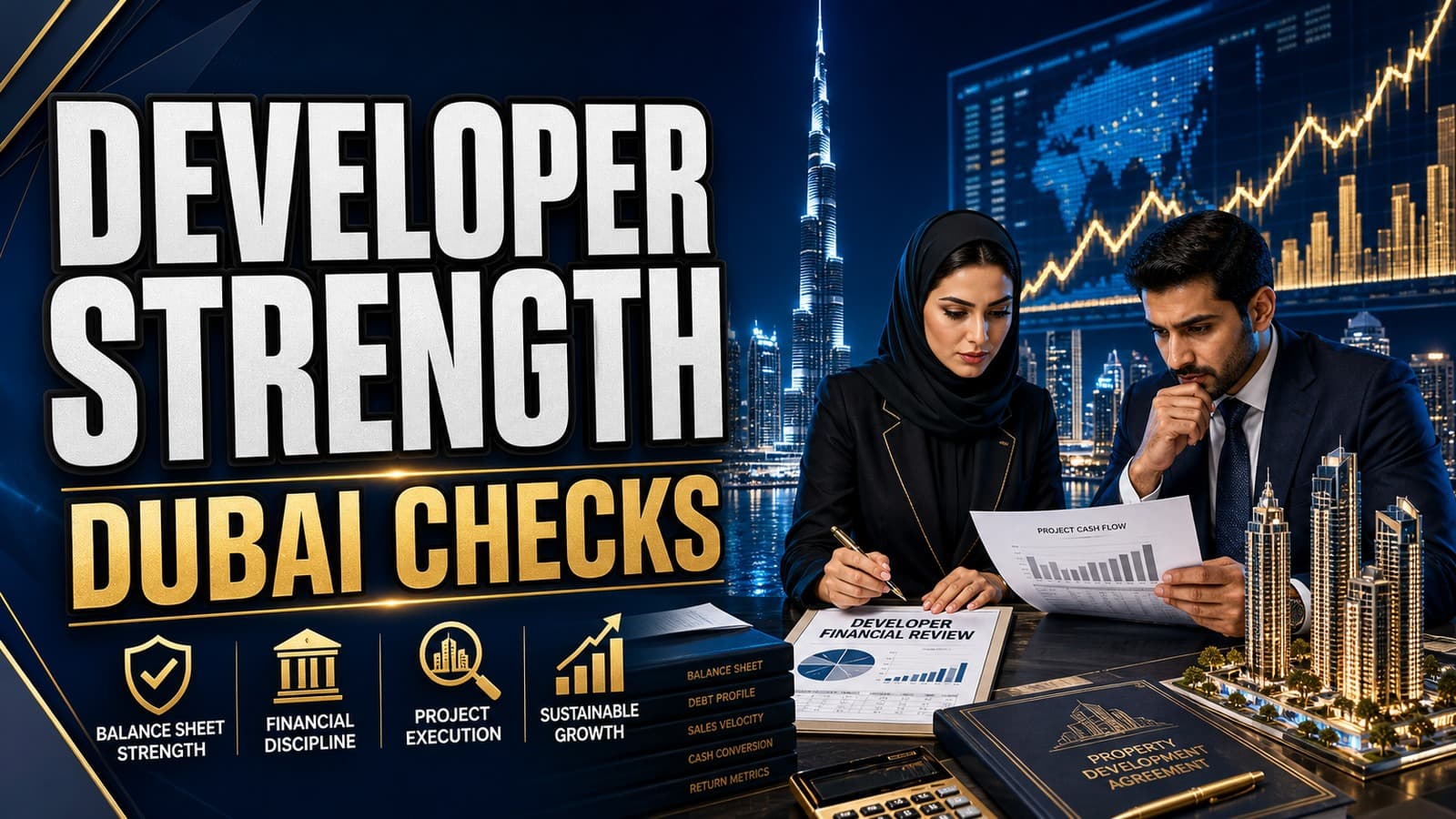
How buyers should audit the Dubai South thesis
The first check is timing. Dubai South is a long-term urban thesis, and not every asset benefits at the same pace. A buyer should separate the district’s strategic narrative from the specific building’s delivery date, handover quality, service charges, road access and competing supply. The right unit can be sensible; the wrong price or payment plan can still be weak.
The second check is tenant profile. Airport and logistics professionals, SME founders, free-zone employees, airline-linked workers, families seeking newer communities and investors looking for future growth do not all need the same property. A studio aimed at transient demand has a different risk profile from a townhouse designed for family occupancy. A business ecosystem can help demand, but it does not remove the need to match product type with real users.
The third check is connectivity. Dubai South’s official positioning refers to a master-planned district connected to Al Maktoum International Airport, Jebel Ali Port, Etihad Rail and major road networks. This is strategically powerful, but property value depends on practical daily mobility: road time, school access, retail maturity, parking, traffic patterns, public transport evolution and the actual distance between home, workplace and services.
What agents should explain better
Agents should avoid reducing Dubai South to a single phrase such as “next airport boom”. That language is too thin for serious buyers. A better conversation starts with the district layers: aviation and logistics, business licensing, free-zone services, residential delivery, community maturity, future infrastructure, and the buyer’s intended holding period. The Sony partnership is useful because it gives agents a concrete example of ecosystem-building rather than another abstract promise.
For investors comparing Dubai South with more mature districts, the discussion should be honest. Mature areas may offer deeper rental evidence and resale liquidity today. Emerging areas may offer a stronger long-term transformation story, but only if the entry price, service charges, delivery quality and exit horizon are disciplined. The point is not to choose the most exciting narrative. The point is to buy a coherent risk profile.
The Kyora reading
Dubai South remains one of the most important future-district stories in Dubai. The airport expansion narrative is visible. The residential pipeline is visible. What investors should now watch more closely is the ecosystem underneath: business services, founders, employers, daily traffic, amenities, schools, retail, roads and actual leasing evidence.
The Sony partnership is a modest but useful signal in that direction. It suggests Dubai South Business Hub wants to support companies after formation, not merely register them. If this type of practical ecosystem-building continues, it can strengthen the district’s credibility. But property investors should keep the discipline intact: verify the building, the price, the user demand, the costs and the holding horizon.
Dubai accelerates when infrastructure, business and residential demand begin to reinforce each other. Dubai South is trying to build that alignment. The opportunity belongs to investors who can read the ambition without skipping the audit.
Sources and useful references
- Government of Dubai Media Office, “Dubai South, Sony collaborate to strengthen the startup community”, 5 August 2026: source.
- Dubai South Business Hub, official overview: source.
- Dubai South, official district website: source.
- Dubai Land Department, open real estate data for transaction cross-checks: source.
- Kyora, “Dubai South Enters Its Real Estate Phase”: context.
- Kyora, “Dubai South’s Airport Premium, Explained”: context.
- Before purchase, investors should recheck project registration, escrow status where relevant, service charges, completion timeline, comparable rents, resale depth and district-level mobility at the exact decision date.